MAGMA to Host Its Second Major Fintech Conference in Mauritius on February
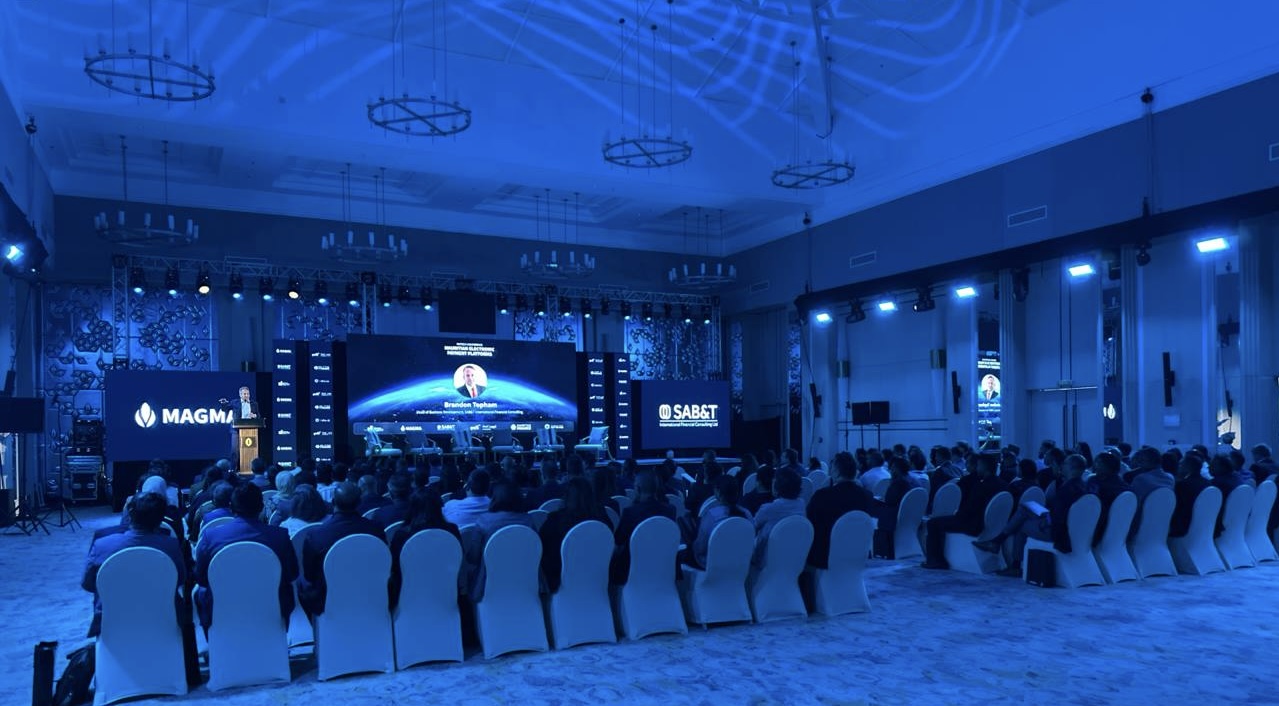
The event will bring together key fintech stakeholders to discuss FX markets and cross-border payments, continuing the success of MAGMA’s flagship conferences in Mauritius.
With the New Year approaching, we are pleased to announce another important milestone for the MAGMA community.
MAGMA is set to host its second major fintech conference in Mauritius in February, bringing together industry professionals, regulators, and market participants to discuss key developments shaping the global financial landscape. While full event details will be announced after the holiday season, we can already confirm that the conference will focus on FX markets and cross-border payment solutions — two areas of growing importance for the international fintech ecosystem.
Building on the success of the Mauritian Electronic Payment Platforms Conference held in September, the upcoming event aims to match and exceed the scale and impact of its predecessor. The September conference welcomed more than 150 participants and featured high-profile speakers from the Financial Services Commission (FSC), Mauritius Finance, MAFH, PwC Legal, SAB’T, the Economic Development Board (EDB), as well as other leading institutions and industry experts.
The February conference will continue MAGMA’s mission to foster meaningful dialogue, knowledge sharing, and collaboration within the fintech community, with a particular emphasis on regulatory perspectives, market trends, and practical solutions for cross-border financial operations.
Additional information regarding the agenda, speakers, and registration will be released shortly.