Expert View: Nitish Caullychurn on Infrastructure Sovereignty and Africa’s Payment Evolution
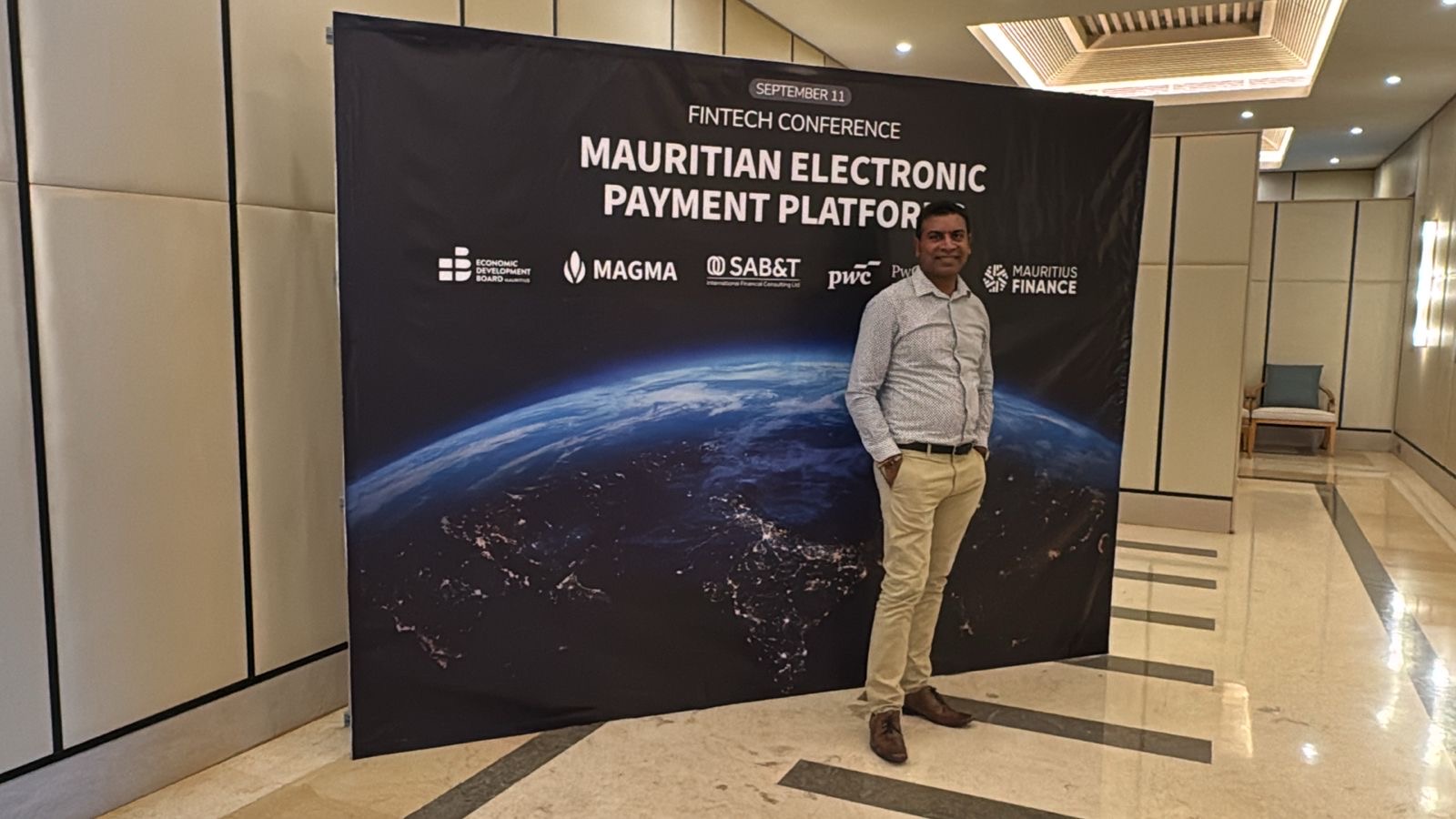
Our Director Nitish Caullychurn shared his perspective on the growing importance of infrastructure sovereignty in Africa’s financial ecosystem and why direct SWIFT connectivity in Mauritius marks a pivotal step toward reducing costs, increasing resilience, and strengthening the continent’s position in global finance.
The Sovereignty of Infrastructure: Why Direct SWIFT Connectivity in Mauritius is a Catalyst for Africa
The "Africa Premium" in global finance is no longer just a cost of doing business—it is a barrier to economic growth.
While the global average for cross-border transaction costs sits at 6.49%, African businesses are burdened with an average of 8.2% (World Bank/Remitscope, 2025). When you factor in settlement delays of 3–5 days and the accelerating "de-risking" trend by global correspondent banks, the message is clear: Traditional payment rails must evolve to serve the continent's potential.
Against this backdrop, infrastructure decisions have transcended the "back office." They are now the ultimate strategic lever for economic resilience.
Mauritius: A Trusted Financial Centre in Action
MAGMA’s direct connectivity to the SWIFT network is a milestone that extends far beyond corporate achievement; it is a validation of Mauritius as a Trusted Financial Centre.
For Mauritius to maintain its status as the "Star and Key of the Indian Ocean," credibility must be backed by direct participation in global financial architecture.
Institutional Maturity: Direct access signals to global regulators and partners that Mauritius-based entities possess the operational robustness and compliance standards required for high-stakes finance.
Value Retention: By reducing the need to route flows through external financial hubs in Europe or the Middle East, we keep more control—and more value—within the regional ecosystem.
Treasury Centralization: As multinational corporates seek regional treasury hubs, the presence of direct infrastructure becomes a non-negotiable prerequisite for trust.
Solving the African Payment Paradox
For the African continent, direct SWIFT participation is a structural "reset." It addresses the core pillars of financial friction:
1. Resilience Against De-risking
The Problem: Global banks have pulled back from African relationships, leaving a void in connectivity.
The Strategic Shift: Direct participation reduces reliance on a shrinking pool of intermediaries.
The Impact: More stable, "unbreakable" payment corridors.
2. Optimizing Intra-African Liquidity
The Problem: Many intra-African payments are still routed outside the continent before returning, adding unnecessary time and cost.
The Strategic Shift: Shortening the route through direct infrastructure allows for faster settlement cycles.
The Impact: Increased velocity of capital across African borders.
3. Transparency as a Competitive Edge
The Problem: The "black box" of international payments, where status and final fees are often unknown until arrival.
The Strategic Shift: Native integration of SWIFT gpi (Global Payments Innovation).
The Impact: End-to-end traceability and predictable cash flow management for African CFOs.
The Road Ahead: Ownership over Access
The global payments landscape is diversifying with the rise of instant rails and digital assets. However, SWIFT remains the global language of value transfer.
The transformation we are seeing isn't about replacing the backbone; it's about changing who owns the connection to it. Institutions that invest in direct connectivity are transitioning from being "users" of the system to being architects of the ecosystem.
At MAGMA, our commitment to direct SWIFT connectivity is a commitment to a more transparent, efficient, and sovereign financial future for Africa.
Registration Details:
Entity: MAGMA Finance (Mauritius)
BIC: MGMAMUMUXXX
The future of African trade will be defined by those who own their infrastructure. Today, we take a significant step toward that reality.