The Art of Payments: a new project by MAGMA
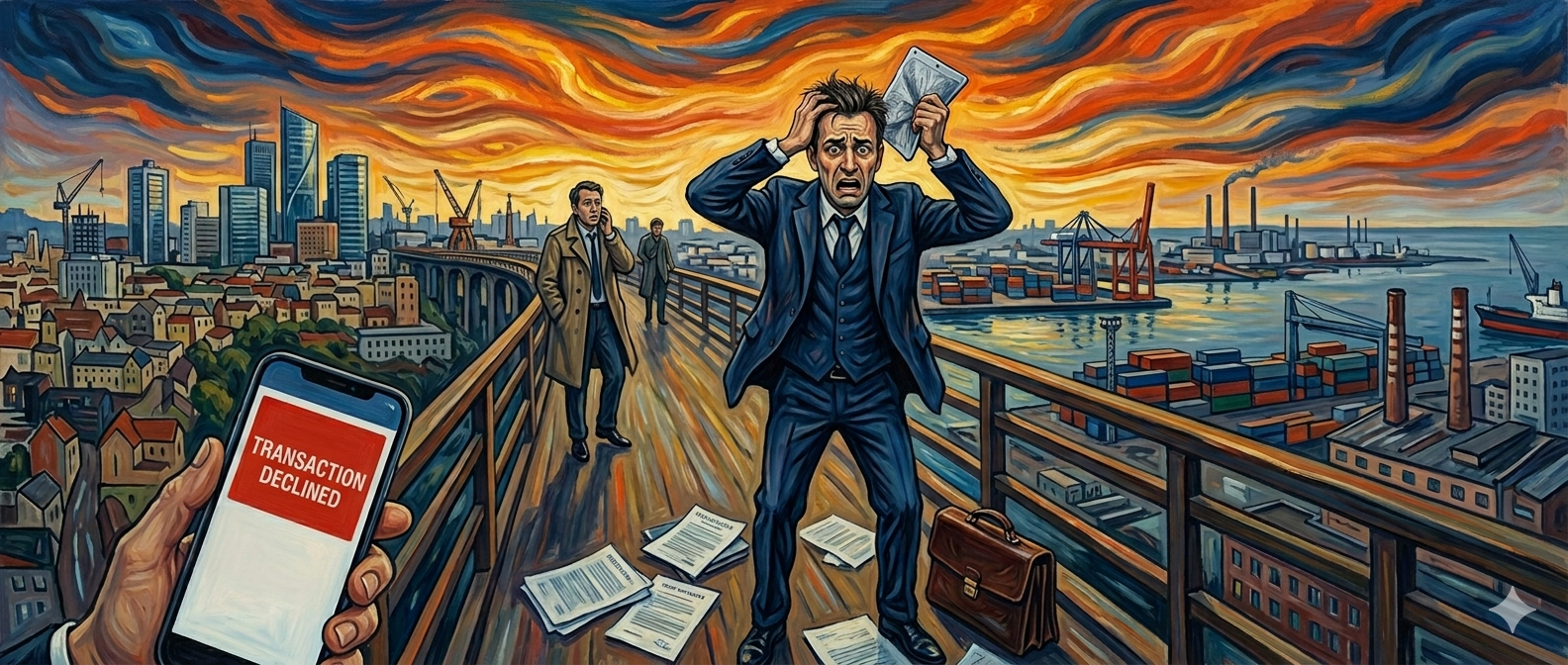
International payments can be emotional — but they don’t have to be stressful.
In our new series, we look at great works of art through the lens of modern finance.
Cross-border transactions should be predictable, smooth, and stress-free. Yet in reality, they often come with uncertainty — delays, compliance concerns, unexpected issues.
At MAGMA, one of our core beliefs is simple:
International payments. Without the drama.
This idea made us think: if this value had a visual form, what would it look like?
A new content series is launching where great masterpieces of world art are reinterpreted as reflections of our core values.
The series begins with the iconic work by Edvard Munch (1863–1944), The Scream (1893).
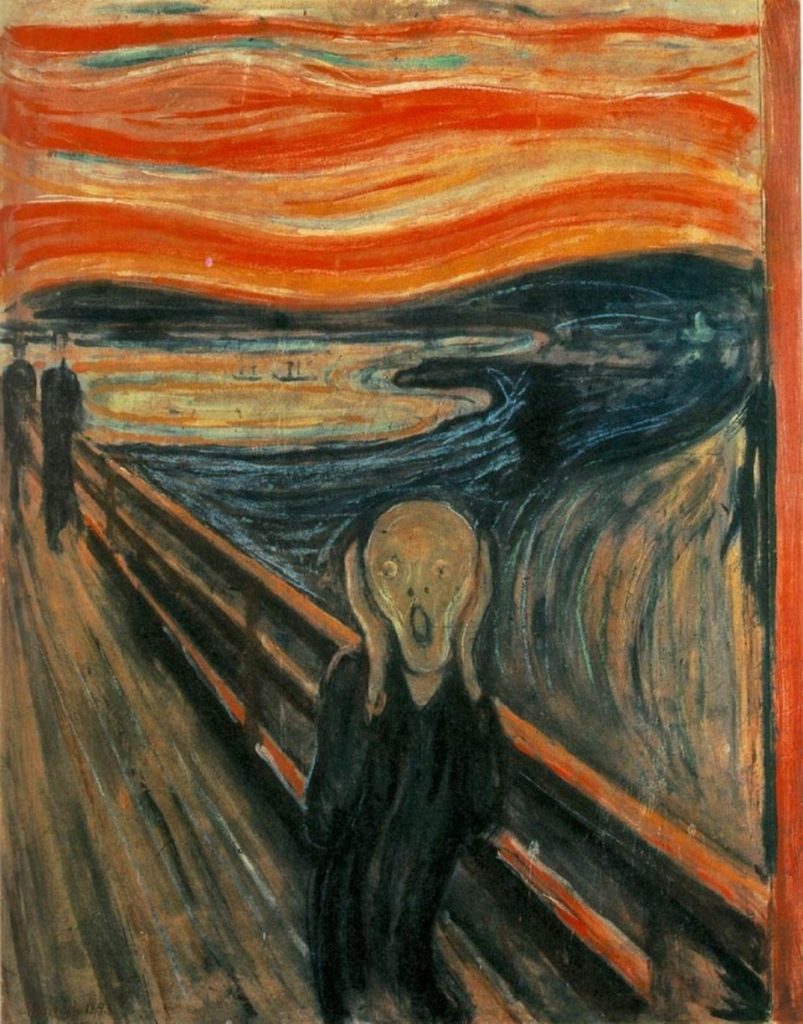
This painting has become a universal symbol of anxiety and uncertainty. And while it was created more than a century ago, the feeling it captures is still surprisingly relevant today — including in the world of international payments.
Anyone working with cross-border transactions knows the tension:
Will the payment go through?
Will it be delayed?
Will there be compliance issues or unexpected fees?
At MAGMA, we believe this stress should not be part of the process.
International payments. Without the drama.
A few facts about The Scream and Edvard Munch:
- Munch was inspired by a real experience — he described a moment when “the sky turned blood red” while walking at sunset, which triggered an overwhelming sense of anxiety.
- The Scream is not a single painting, but a series of works created in different techniques (including oil, pastel, and lithography).
- The figure in the painting is not actually screaming — according to Munch, it is reacting to a “scream passing through nature.”
We plan to continue this series by featuring a new masterpiece every two weeks — exploring how timeless art reflects modern financial challenges and solutions.
Art speaks in emotions. We translate them into better financial experiences.
Photo: Edvard Munch, Public domain, via Wikimedia Commons