THE ART OF PAYMENTS: NOTHING LEFT IN THE DARK
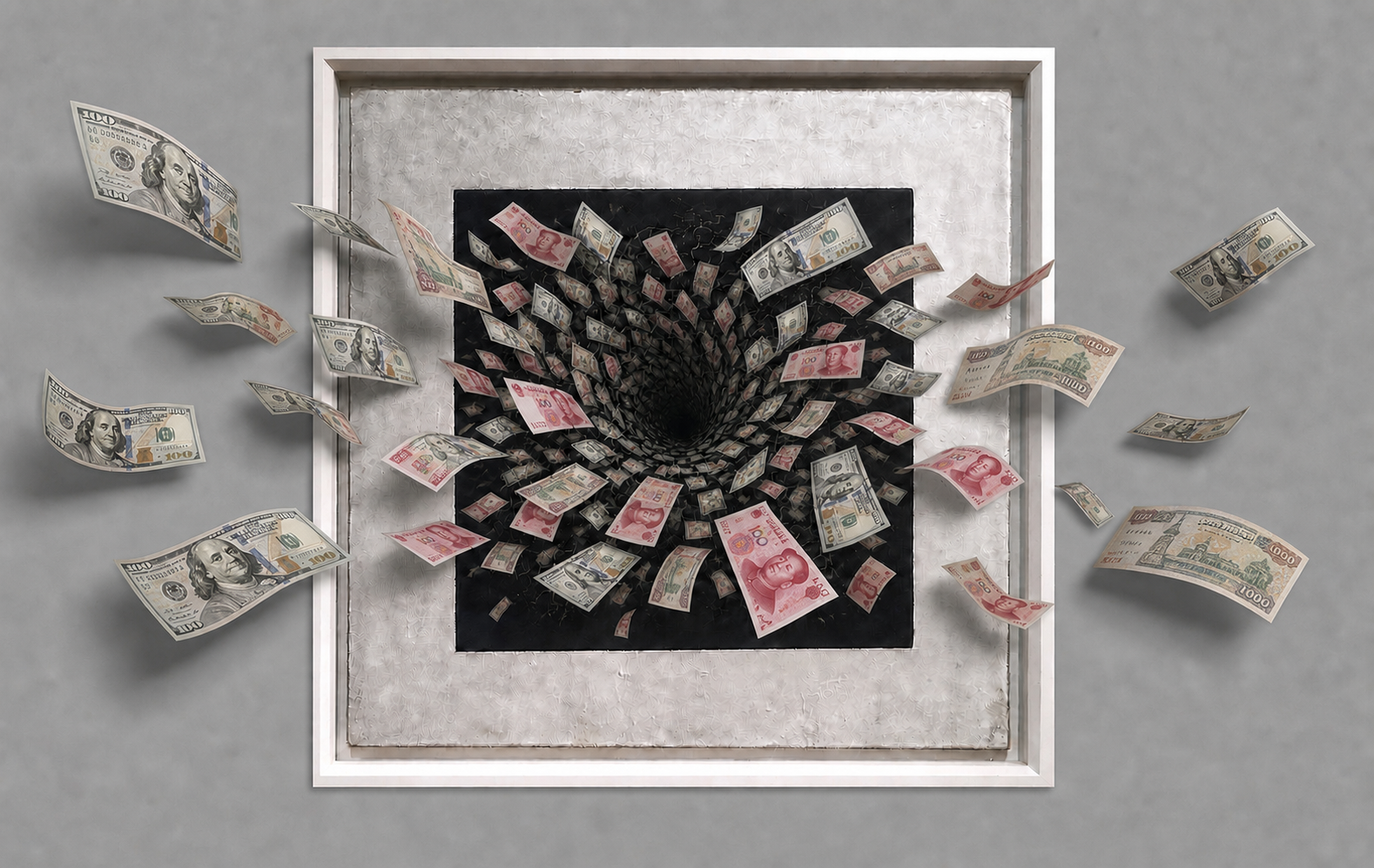
Afraid your money might disappear into a black hole? Sent, and then... silence. No confirmation, no way to know where it is. When a transfer crosses borders, that silence shouldn't be part of the deal.
International payments. Nothing left in the dark.
Few paintings have unsettled and fascinated in equal measure like Kazimir Malevich's Black Square (1915) — a single black square on a white ground, and one of the most radical, most argued-over images in modern art.
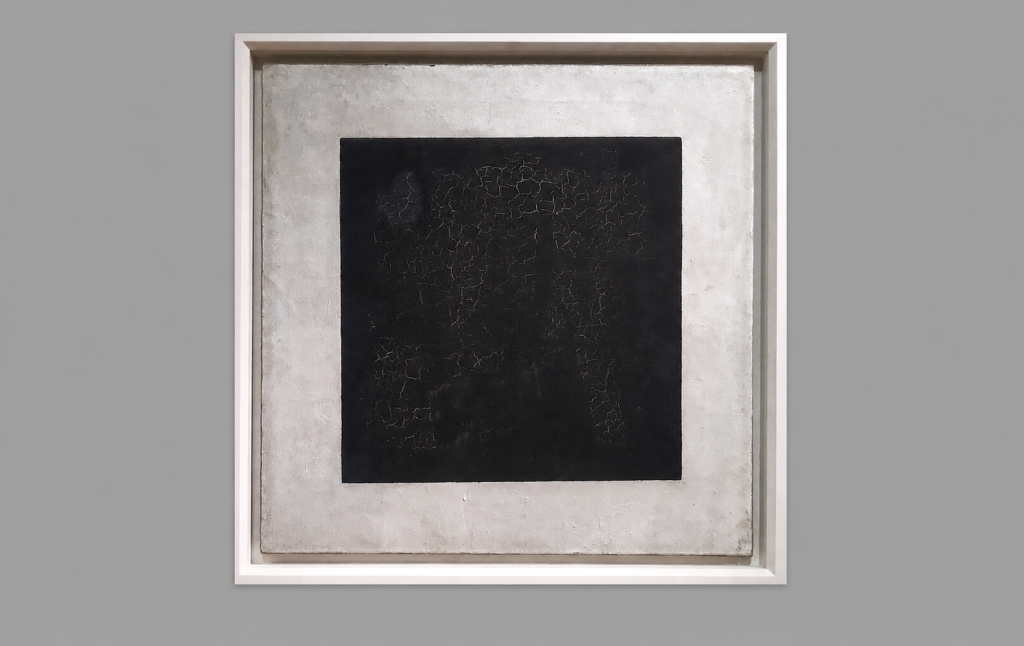
At first glance, it looks like nothing: a void, an absence, a blank refusal to show anything at all. But look closer — literally. Beneath the surface, the black hides everything. It isn't empty at all.
What does "black hole" anxiety really look like for a business sending money abroad?
- Has the transfer actually left, or is it still stuck somewhere?
- Which intermediary bank is holding it right now, and for how long?
- If something goes wrong, is there any way to trace it — or does it just vanish?
At MAGMA, nothing about your transfer is a black box. Every transaction is tracked, accounted for, and guaranteed to arrive.
International payments. Nothing left in the dark
A few real, lesser-known facts about The Black Square and its creator:
- The square isn't as empty as it looks. X-ray analysis by the Tretyakov Gallery revealed two earlier, colourful compositions hidden directly beneath the black paint — one Cubo-Futurist, one proto-Suprematist — visible today only through the fine cracks in the surface.
- When Malevich unveiled the work in 1915, he hung it high in the corner of the exhibition room — deliberately choosing the spot reserved in Russian Orthodox homes for a sacred icon. The message was unmistakable: this square was meant to replace the icon, not just hang beside it.
- The Black Square deliberately has no straight corners at all — not carelessness, but a choice meant to give the form its own restless energy and paradoxical symmetry.
- There isn't one "Black Square" — there are at least four, painted between 1915 and the early 1930s, each with slightly different proportions and texture. Malevich also backdated the first version to 1913 on its reverse, years before it was actually made.
- For decades, the painting was effectively erased from public life. Under Stalin's doctrine of Socialist Realism, abstract art was suppressed, and Malevich's most famous work disappeared from view — resurfacing only long after his death.
Explore how timeless art reflects modern financial challenges and solutions.
Photo: Kazimir Malevich, Black Square, Public domain, via Wikimedia Commons